
Minot, N.D. – SRT Communications reached a milestone this week, when the telecommunications cooperative welcomed its 25,000th Internet customer on February 12.
SRT was formed in 1951 to bring telephone service to the rural communities of north-central North Dakota. Forty-five years later, local dial-up internet became available from every SRT phone exchange. In another two years Digital Subscriber Line (DSL) internet was added to SRT’s services. Today the cooperative maintains a 100% fiber network connecting its entire rural service area, as well as the city of Minot and Minot Air Force Base.
“From day one, our mission has been to connect people and bring opportunity to our communities. SRT started with telephone service, one home at a time, and has since evolved to the most advanced technology for high-speed Internet,” said Cassidy Hjelmstad, SRT CEO and General Manager. “We are humbled that 25,000 North Dakotan homes and businesses turn to us for their Internet and are committed to serving their evolving future needs.”
Because SRT is a member-owned telecommunications cooperative, each SRT Internet customer receives the benefits of membership. These include voting in SRT annual elections for the Board of Directors and capital credits paid back to members.
SRT Communications, headquartered in Minot, North Dakota, is the state’s largest telecommunications cooperative. Established in 1951, SRT employs roughly 180 people and serves more than 26,000 customers across north central North Dakota. SRT earned the distinction as a Certified Gig-Capable Provider in 2017. Services include high-speed fiber internet, phone, and security/surveillance systems for home and business. Learn more at www.srt.com.



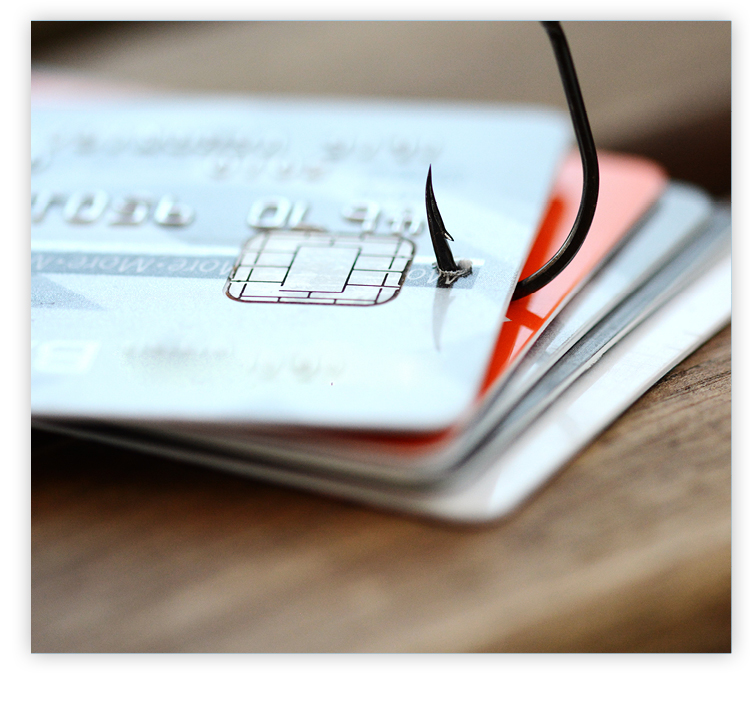 Tech support scams use scare tactics to trick you into technical support services to supposedly fix device or software problems. At best, the scammers are trying to get you to pay them to fix a nonexistent problem. At worst, they’re attempting to gain remote access to your computer under the guise of fixing the problem, so they can instead install malware, ransomware, or other unwanted programs to steal your personal information.