Short Tutorial/FAQ – What is Extended Reality?
QUESTION: What is Extended Reality and how is it being used?
ANSWER: Extended Reality (XR) is an umbrella term encapsulating Augmented Reality (AR), Virtual Reality (VR), Mixed Reality (MR), and everything in between. XR offers an experience for the senses, where the line between reality and the simulated world becomes blurred as you dive into another world visually, acoustically, and through tactile sensations.
XR is revolutionizing everyday consumer experiences and transforming manufacturing and other industry segments. Here are a few examples:
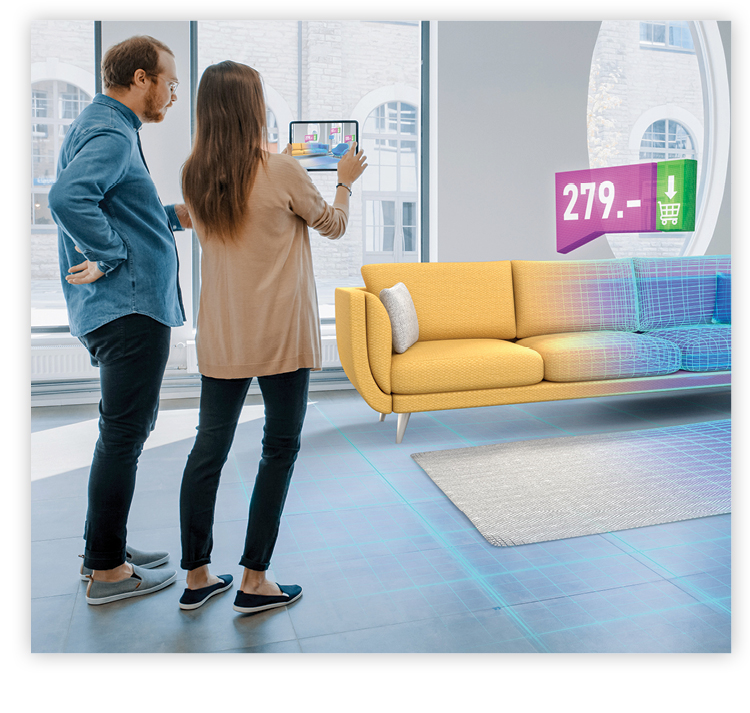
Retail: XR lets you try out a product before you buy it. For example, IKEA is giving customers the opportunity to place furniture and accessories in their homes using their smartphones.
Training: XR can provide hyper-realistic training tools to help soldiers, medical personnel, pilots/astronauts, chemists, and others to find solutions to problems or learn how to react to dangerous circumstances.
Remote Work: Employees can connect to their home office or to professionals around the world in a way that makes both sides feel like they are in the same room.
Entertainment and Gaming: Consumers can virtually experience live music and sporting events from the comfort of their VR headsets. Gamers can intimately feel what their selected scenes would resemble in the flesh, whether crossing into another era, place, or exploring fantastic futuristic worlds.
Health Care: Medical imaging technologies like magnetic resonance imaging (MRI) and CT scans now make extensive use of XR. It gives staff full 3D representations of human bodies rather than traditional 2D imaging.
QUESTION: What is Extended Reality and how is it being used?
ANSWER: Extended Reality (XR) is an umbrella term encapsulating Augmented Reality (AR), Virtual Reality (VR), Mixed Reality (MR), and everything in between. XR offers an experience for the senses, where the line between reality and the simulated world becomes blurred as you dive into another world visually, acoustically, and through tactile sensations.
XR is revolutionizing everyday consumer experiences and transforming manufacturing and other industry segments. Here are a few examples:
Retail: XR lets you try out a product before you buy it. For example, IKEA is giving customers the opportunity to place furniture and accessories in their homes using their smartphones.
Training: XR can provide hyper-realistic training tools to help soldiers, medical personnel, pilots/astronauts, chemists, and others to find solutions to problems or learn how to react to dangerous circumstances.
Remote Work: Employees can connect to their home office or to professionals around the world in a way that makes both sides feel like they are in the same room.
Entertainment and Gaming: Consumers can virtually experience live music and sporting events from the comfort of their VR headsets. Gamers can intimately feel what their selected scenes would resemble in the flesh, whether crossing into another era, place, or exploring fantastic futuristic worlds.
Health Care: Medical imaging technologies like magnetic resonance imaging (MRI) and CT scans now make extensive use of XR. It gives staff full 3D representations of human bodies rather than traditional 2D imaging.

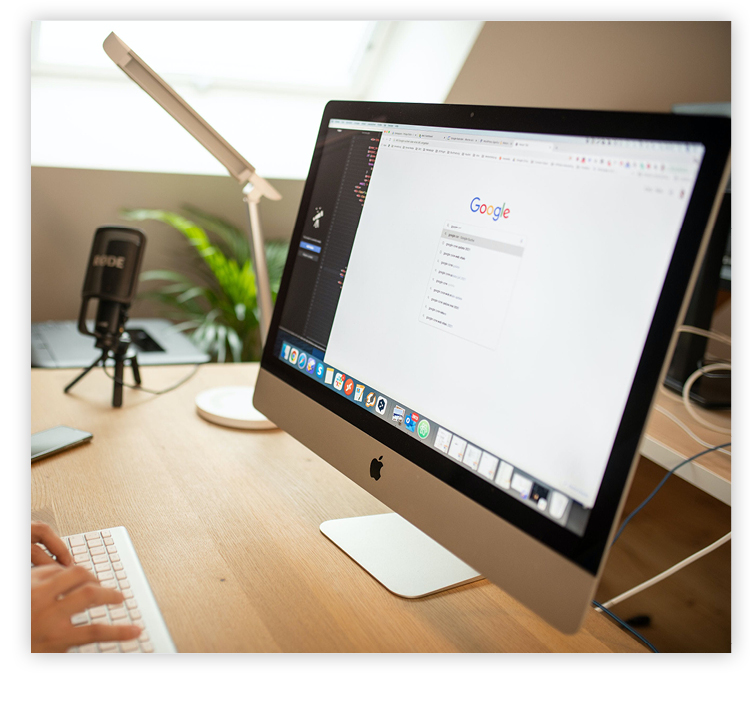 Google tricks, also called Easter eggs, are hidden gems designed purely for fun. One of the oldest is the Do a Barrel Roll trick, which makes the Google page spin around a few times before recentering itself properly. To see it, simply type “Do a barrel roll” in the Google Search bar.
 The word “free” gets people’s attention and can cause them to act impulsively. Scammers take advantage of this weakness by sending bulk phishing emails that promise a free gift card if you provide personal information.
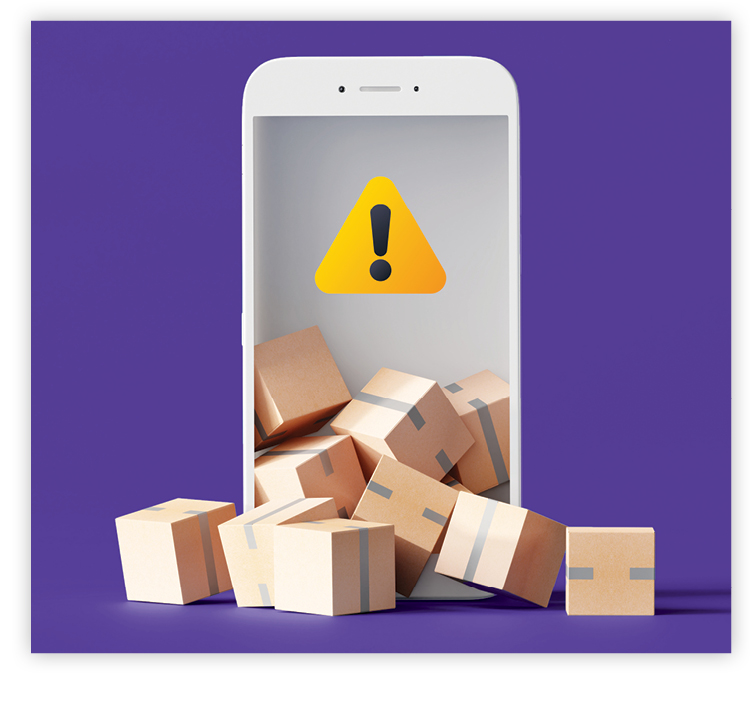 In 2022, the Better Business Bureau reported 202 scams related to Amazon Prime and 186 scams that mention Amazon “account deletion, suspension, closure, or locking.” These scams continue to be common, so be suspicious if you receive a message that claims to be from Amazon.